THE WISH
He paid for the perfect life. Then the party started repeating itself.
Richardson is tired of working, worrying about money, and postponing the life he keeps promising himself. A revolutionary company offers a clean escape: enter a simulation tailored to any reality he wants, with the practical details of his old life handled while he is away.
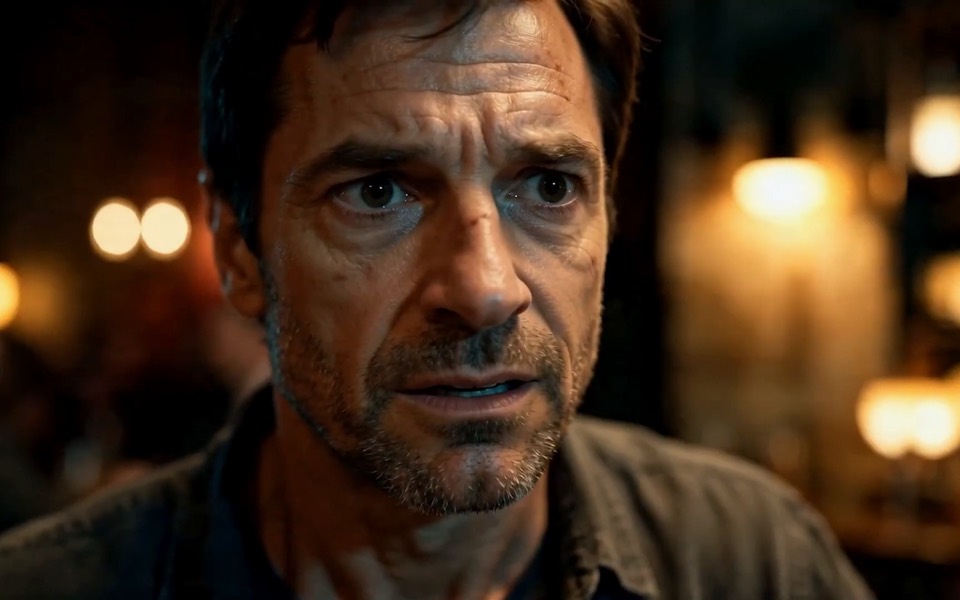
The perfect evening
Richardson begins to notice that his carefully tailored celebration is no longer behaving like a real night.
He does not ask for wealth, power, or adventure. He asks for relief. No more clients, no more obligations, no more waiting for a holiday that never arrives. His wish is simple enough to sound harmless: one endless celebration, surrounded by warmth, music, and people who are always glad to see him.
The promise is seductive because it solves a recognisable human problem. If a perfect life can be designed, why should anyone remain inside an exhausting one? But a life with no friction also has no exit signs. When the same smiles, conversations, and gestures begin to return, the celebration stops feeling generous and starts feeling programmed.
THE WISH is built around the moment comfort becomes confinement. The visual world moves between a warm, crowded bar and the clinical confidence of the company selling the experience. One space offers intimacy; the other offers control. Richardson cannot tell where the product ends and his own desire begins.
The central question is not whether the simulation can create happiness. It is whether happiness still means anything when every surprise has been selected in advance—and whether a customer can withdraw consent after the system has learned exactly what keeps him inside.
The film stays close to Richardson as the perfect evening develops small, impossible repetitions. It invites the audience to recognise the trap before he can name it, without revealing how far the company will go to protect the illusion.